The Geography of Awe
How I stopped looking for wonder only in distant places
For a long time, I thought wonder lived somewhere else.
Somewhere that required a passport.
A long flight.
A place I had never been before.
Travel became my way of remembering how large the world actually is.
What I didn't realize then was that travel was quietly teaching me something else.
Not where wonder exists.
But how to notice it.
The Places That Changed Me
There are places that permanently change the scale at which you see the world.
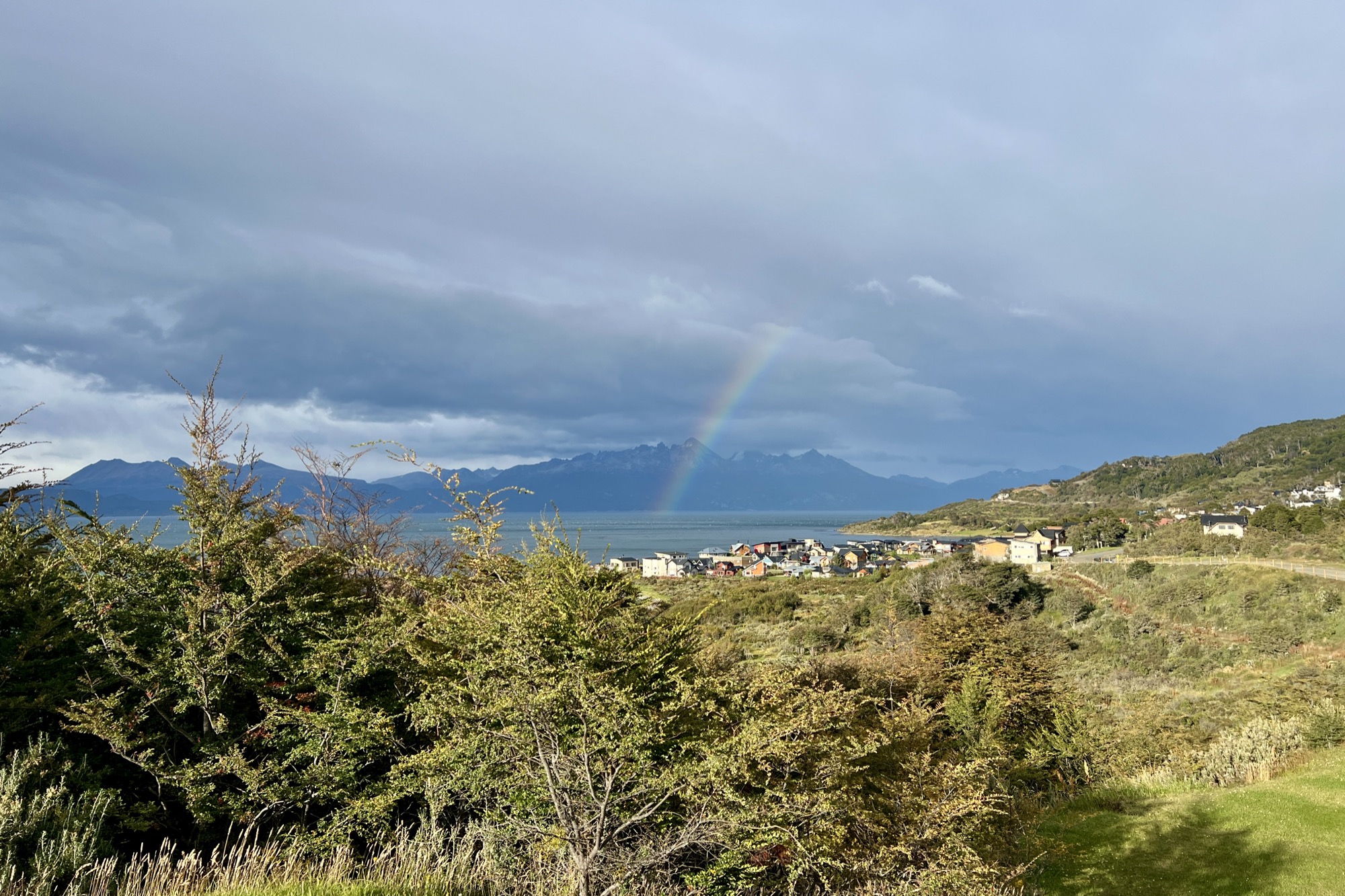
Patagonia was one of them.
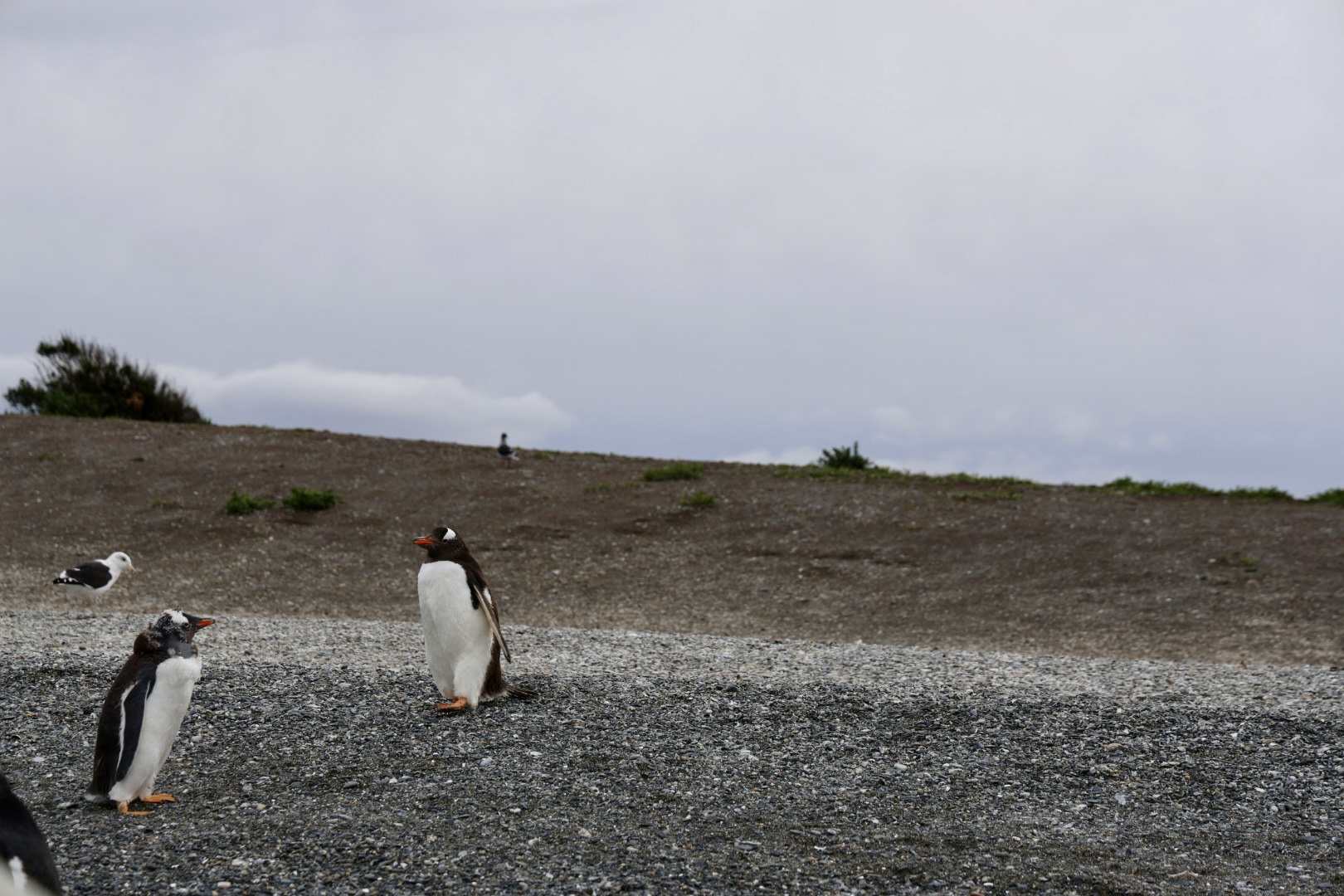
I remember standing on the windswept steppe, watching penguins gather on the small islands offshore while guanacos wandered freely across the grasslands.
High above them, Andean condors drifted through the sky without seeming to move at all.
The landscape was so immense that, for a while, I stopped thinking about myself altogether.
I simply watched.
For a moment, I felt wonderfully unimportant.
Svalbard was another.
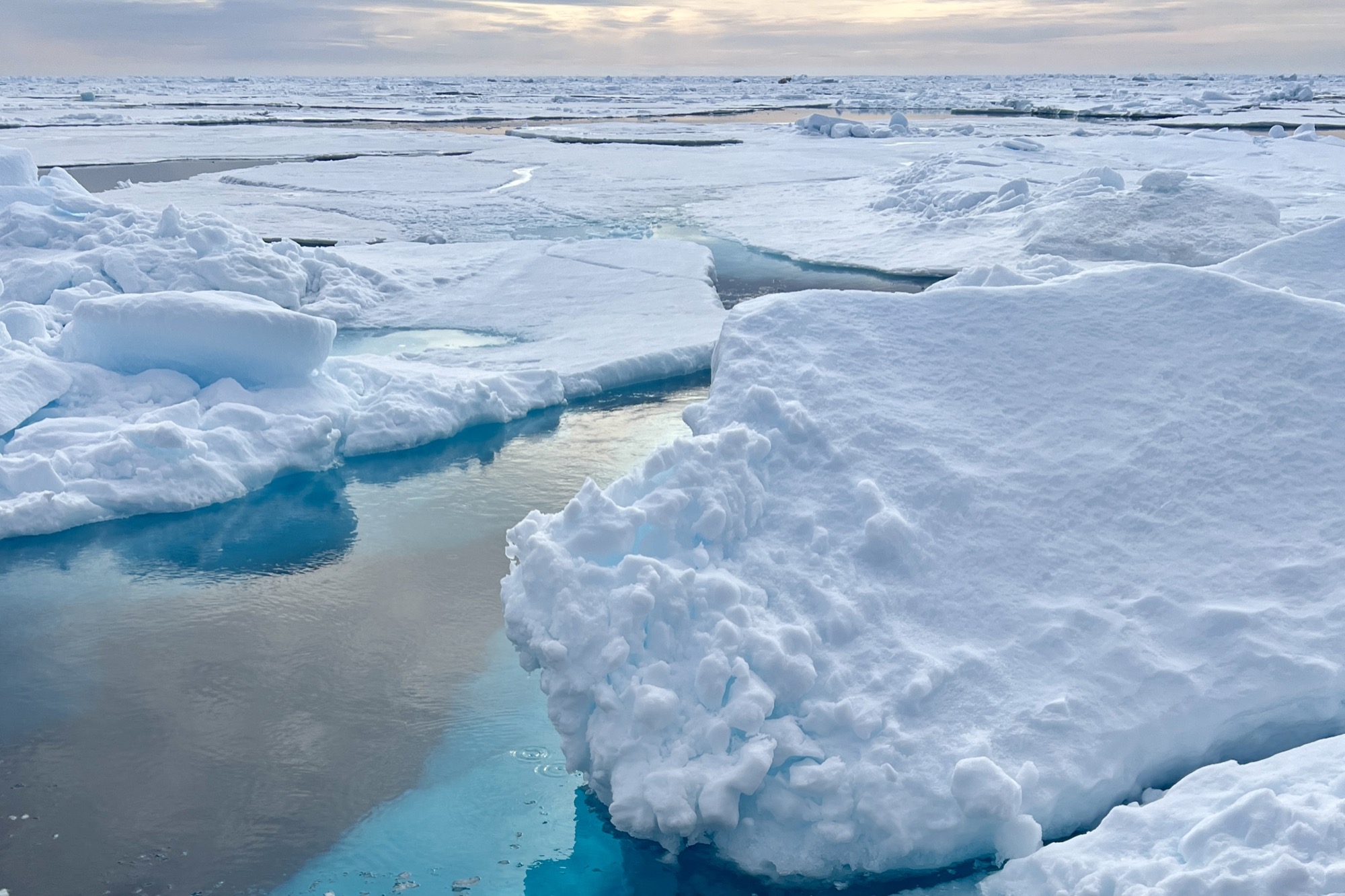
I watched glaciers calve into the Arctic Ocean, the sound arriving a few seconds after the ice had already broken away.
At one point an Arctic fox lingered outside where we were staying, then crossed on.
Walruses came toward us with an almost curious playfulness.
Somewhere in the distance, we searched the sea ice for polar bears.
Nothing about that landscape felt designed for humans.
And perhaps that was exactly why it felt so humbling.
Wonder didn't only appear in nature.
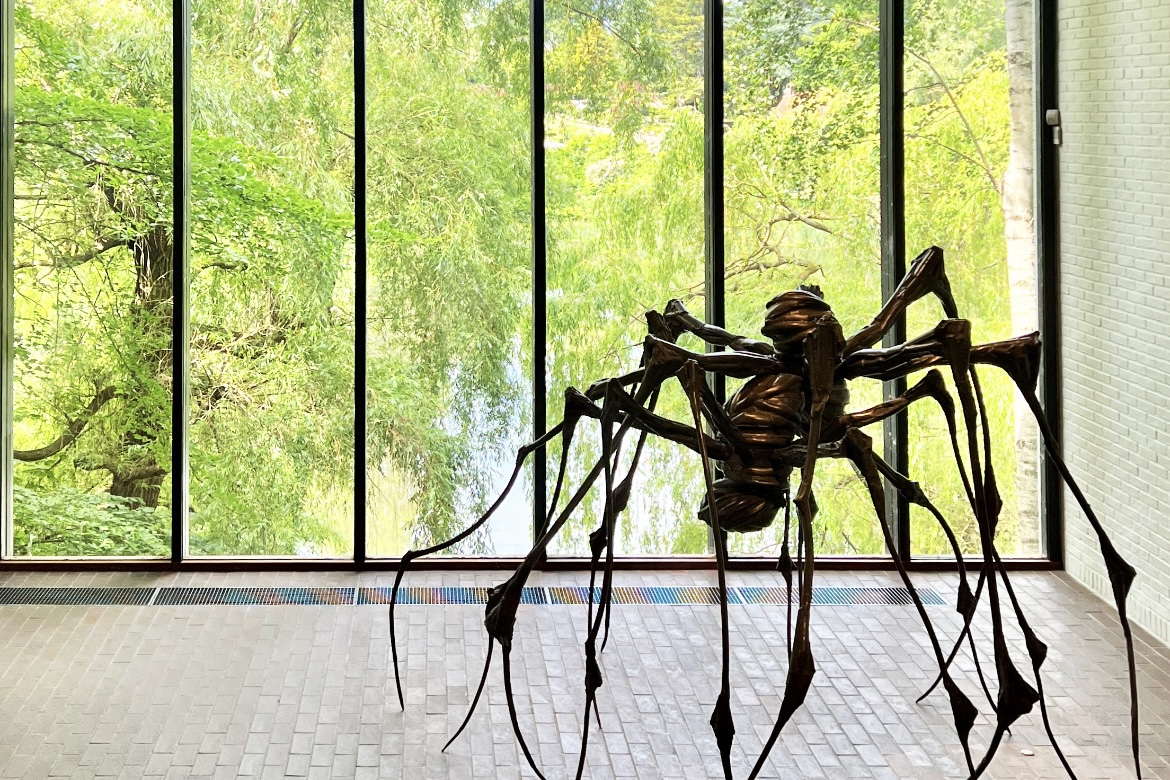
Just north of Copenhagen, at the Louisiana Museum of Modern Art, I stood in front of Louise Bourgeois's Maman.
The sculpture wasn't simply large.
It reorganized the relationship between my own body, the architecture, and the space between them.
For a few quiet minutes, I forgot to analyze.
I simply stood there.
Different place.
Different language.
The same feeling.
Each of those places left me with the same realization.
The world was always larger than whatever had been occupying my attention.
A Different Way to Think About Awe
Recently I listened to an episode of The Mel Robbins Podcast with Dr. Dacher Keltner, a psychologist whose research — and his book Awe — explores how moments of wonder shape our well-being, our creativity, and our sense of connection.
He describes awe as what happens when we encounter something vast enough to change the way we see ourselves.
It doesn't have to arrive through extraordinary events.
Sometimes it comes from nature.
Sometimes from art.
Sometimes from music.
Sometimes from another person.
One idea stayed with me longer than the rest.
Awe can live in small, ordinary moments, if we learn to notice them.
Listening to that conversation, I realized that for years I had quietly tied awe to distance.
The farther I traveled, the easier it seemed to find.
But perhaps distant places aren't inherently more astonishing.
Perhaps unfamiliar places simply demand more attention.
When Everything Is New
When everything is new, you notice everything.
Every street.
Every building.
Every bird.
Every conversation.
Nothing disappears into the background.
Home works differently.
Routine slowly edits the world.
Not because beauty leaves.
Because familiarity becomes invisible.
Coming Home
After months of traveling, I came back to Seoul.
The city hadn't changed much.
I had.
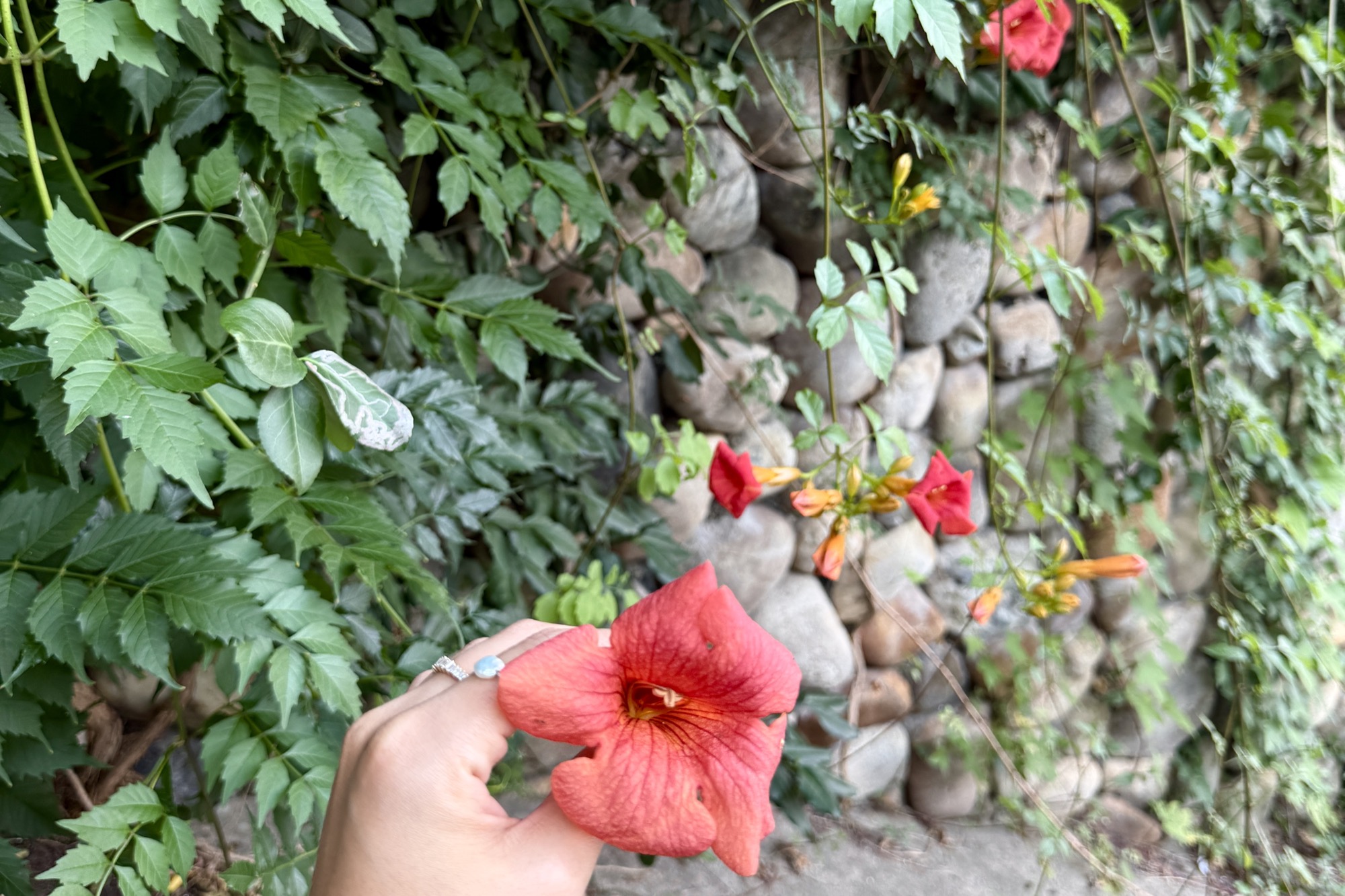
One afternoon, walking through my own neighborhood, I noticed trumpet vines climbing over walls and gates, their orange flowers open everywhere at once.
I had walked those streets countless times.
I honestly couldn't remember whether the flowers had always been there.
Perhaps they had.
Perhaps I had simply stopped seeing them.
Since then I've started noticing them across the city.
Wrapped quietly around brick walls.
Growing between apartment buildings.
Adding color to streets I thought I already knew.
Nothing about Seoul had suddenly become more beautiful.
Only my attention had.
Another Kind of Wonder
I've noticed something similar while watching my daughter grow.
Children don't change all at once.
They change gradually.
So gradually that we often miss it.
Then one day, in the middle of an ordinary conversation, you realize you're speaking to someone new.
Someone who has quietly become more independent.
More thoughtful.
More herself.
Perhaps wonder isn't reserved for extraordinary moments.
Perhaps it also lives inside slow change.
The kind that only becomes visible after enough time has passed.
What Travel Was Actually Teaching Me
Travel interrupts habit.
Habit narrows attention.
Wonder widens it again.
Perhaps that's why we travel.
Not only to find new places, but to recover a way of seeing.
And perhaps the harder part isn't bringing something home from the trip.
It's bringing that way of seeing home.
I still travel.
I still feel deeply alive in glaciers, museums, mountain ranges, and cities older than my own imagination.
But I've started to think those experiences are only half the lesson.
The other half begins after I return.
When I notice the trumpet vines outside my apartment.
When an ordinary dinner turns into a conversation I didn't expect.
When I realize my daughter has quietly grown again.
When a familiar street feels unfamiliar for the first time in years.
Perhaps awe was never hiding in extraordinary places.
Perhaps my attention was.
A Small Reflection
Travel taught me how to recognize wonder.
Coming home is teaching me where else it had been waiting.
So maybe the more useful question isn't where I should travel next.
Maybe it's what I have stopped noticing.
One flower.
One conversation.
One child growing up.
One ordinary day at a time.
If this resonates with where you are right now, I offer 1:1 coaching for people navigating creative transitions, reinvention, and more expansive ways of living and working.
— Jay