A Room Where No One Had to Be Just One Thing
What happened when artists, startup operators, and people in between — including my coaching clients — shared the same space
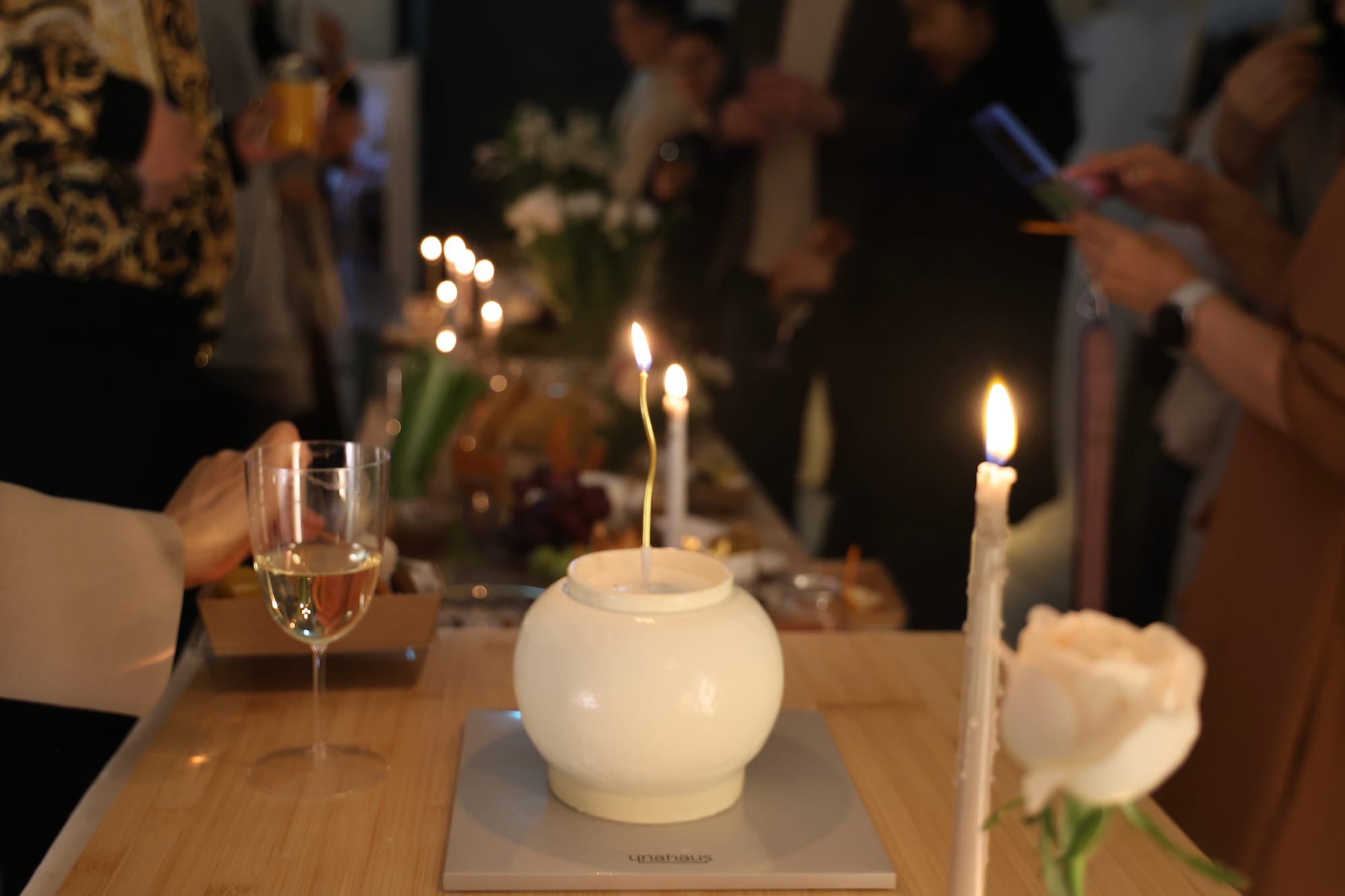
Before the opening party, a few people said the same thing.
“I’m not sure how this will go.”
Artists.
People from the tech startup and business world.
And a few of my coaching clients — each coming from a different background.
Different languages. Different rhythms. Different ways of seeing the world.
In most rooms, those groups don’t naturally mix.
At the party, people did what people always do first.
They asked:
“What do you do?”
“How do you know Jay?”
It’s how we locate each other.
It’s how we decide who we’re talking to.
The Room
The studio itself didn’t answer those questions.
It didn’t present a single identity.
On one table, there was a painting built from material experiments — pigments, textures, fragments of process that had started in Paris, now layered again with candle wax and new marks from that evening.
Along the walls and in the corners of the studio, quiet traces of previous work.
No clear script for how you were supposed to behave inside it.
It was a room that didn’t ask you to choose who you were.
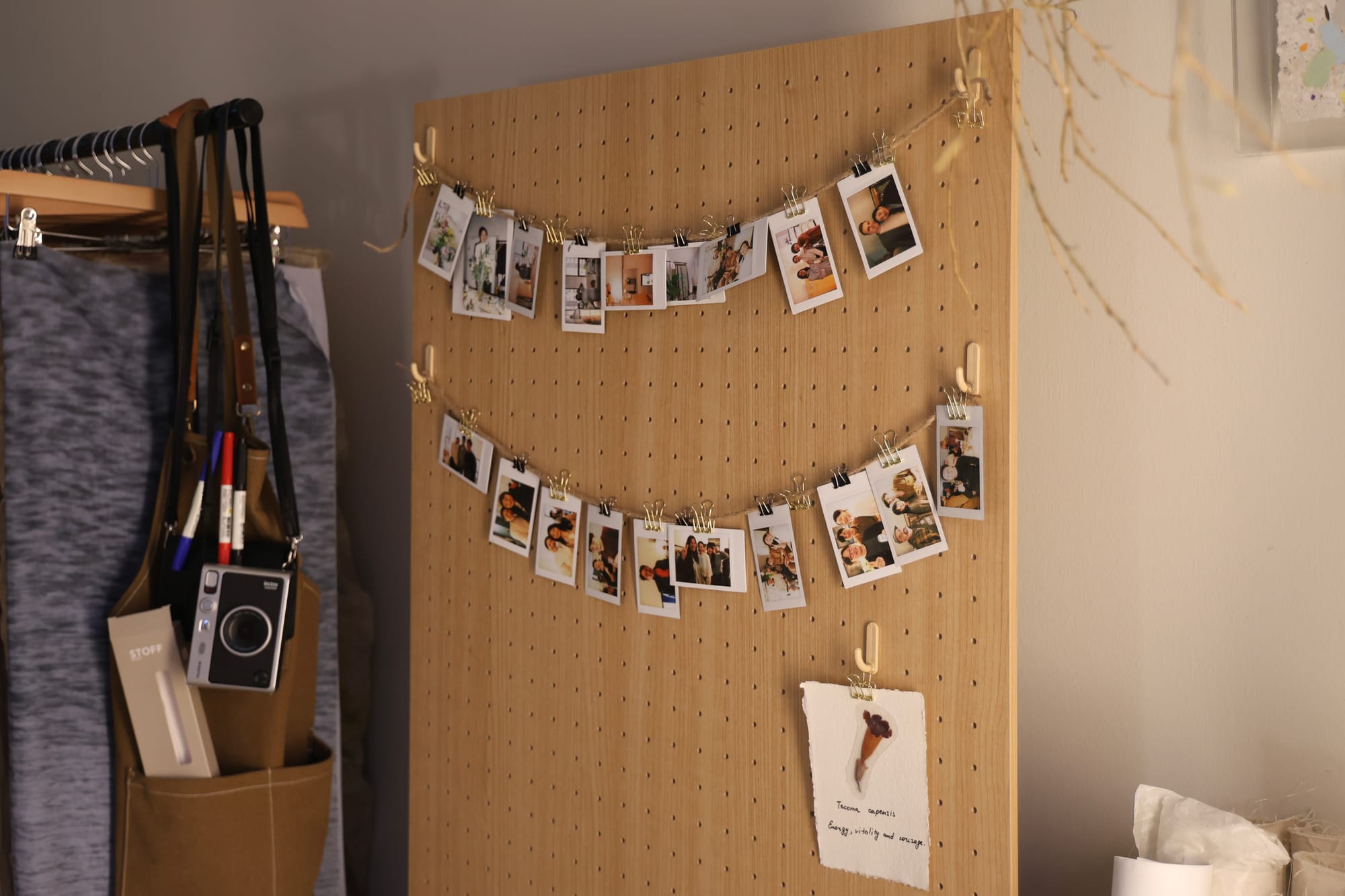
What Changed
And slowly, something shifted.
People just stopped editing themselves.
A seasoned startup operator mentioned, almost casually, that she practices calligraphy.
At some point during the evening, she began making small calligraphy pieces for people in the room — including a few artists, and even my daughter.
Another spoke about the travel drawings she had been quietly making for years.
She said she had been thinking about taking it more seriously — possibly even leaving her job and moving to Europe in the near future.
My daughter, who wants to become a writer and publish poetry, found herself speaking with a startup founder.
He mentioned a friend who had built a publishing platform — and immediately offered to support her when she decides to turn that into a book.
And somewhere in between those conversations, she also decided she wanted to learn calligraphy from someone she had just met.
People didn’t become different.
They just became more visible.
Several people told me later that night that they had discovered sides of me they didn’t know existed.
Even I was not just one thing in that room.
None of this was planned.
None of this was curated.
What That Room Made Possible
It didn’t happen because people were similar.
It happened because, in that room, people didn’t have to stay inside a single identity.
The assumption had been:
Artists, tech people, and coaches don’t mix.
But that assumption only holds in spaces that force people to choose one version of themselves.
Most spaces do.
You are your title.
Your role.
Your primary function.
Everything else becomes a side note.
Or disappears.
But something else is true.
People are never just one thing.
They just spend most of their time in environments that only recognize one.
The problem isn’t that people are too many things.
It’s that most spaces only allow one.
And once you experience a space that allows more, something changes.
You begin to notice how often you edit yourself.
How quickly you reduce what you say.
How much of you stays hidden — not because it isn’t there, but because there’s nowhere for it to go.
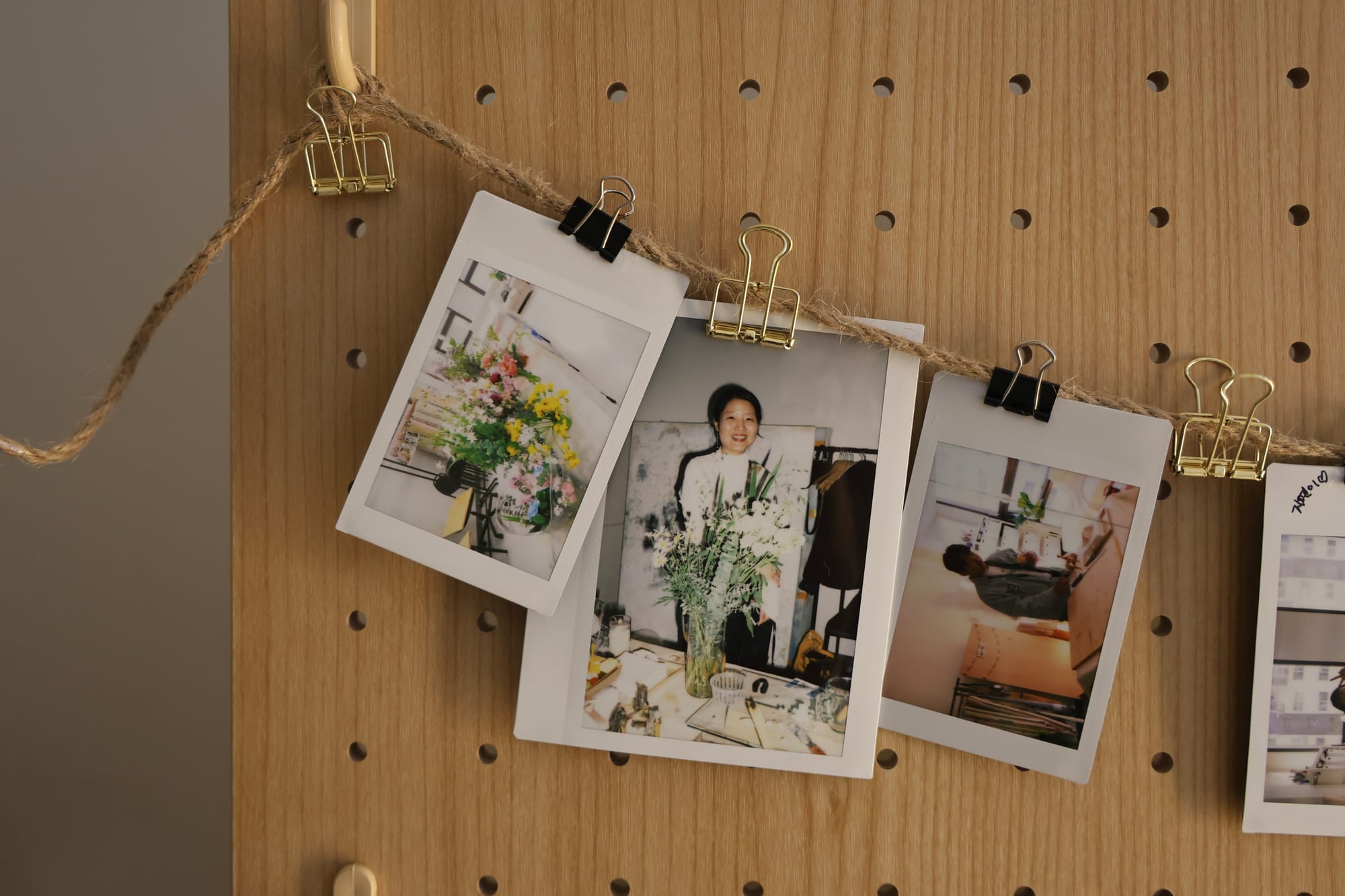
A Small Reflection
Perhaps you’ve felt this too.
A sense that you are more than what your current environment allows.
That there are parts of you that don’t quite fit into the roles you’re asked to play.
That something remains unexpressed — not because it’s unclear, but because it hasn’t been given space.
What would change if you stepped into a space where you didn’t have to choose just one version of yourself?
If this resonates with where you are right now, I offer 1:1 coaching for people navigating transitions like this.
— Jay
If you’re in Seoul: