Gratitude as a Practice of Self-Leadership

When Gratitude Feels Hard — and Necessary
There are seasons when gratitude feels natural.
And then there are seasons like this one.
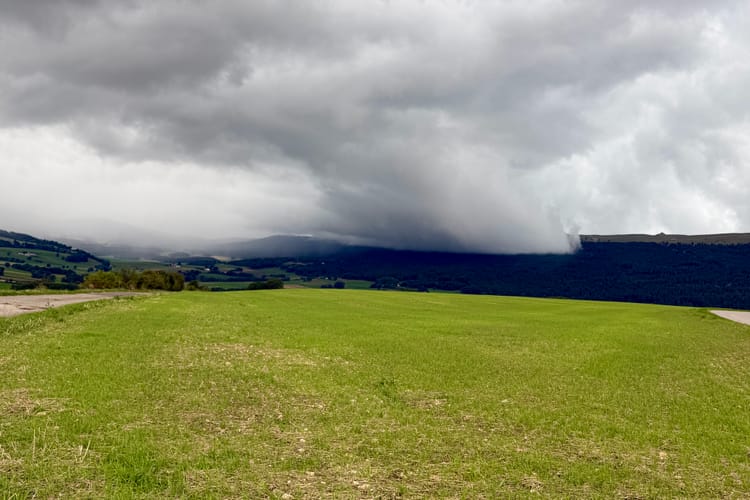
When the world feels heavy.
When headlines pile up.
When personal and collective exhaustion blur together.
When you’re still functioning, still producing, still showing up — but something inside feels thin and quietly frayed.
In those moments, gratitude can sound naïve. Or worse, dismissive.
As if we’re being asked to look away from what hurts.
But that’s not the gratitude I’m talking about.
The gratitude I’ve come to practice — and coach from — is not about bypassing reality.
It’s about reclaiming authorship over where we place our attention.
Not because life is easy.
But because our nervous systems, minds, and hearts need an anchor.
Gratitude as Agency
In the Co-Active worldview, we start from this assumption:
People are naturally creative, resourceful, and whole.
Gratitude, in this context, isn’t politeness.
It’s not “being positive.”
It’s self-leadership.
It’s a conscious choice to orient toward what is supporting you — even while other things remain unresolved.
Neuroscience backs this up:
- Gratitude practices are shown to reduce stress and inflammation
- Improve sleep quality
- Increase emotional regulation
- Strengthen relational connection and resilience over time
But beyond the science, there’s something simpler at work:
👉 What you practice noticing becomes your lived reality.
Gratitude is how you interrupt default threat-scanning and remember that you are not powerless inside your own life.
Gratitude as Conscious Choosing
In Co-Active coaching, what was once called Balance is now more clearly named Choice.
Because the work isn’t about weighing options endlessly.
It’s about choosing consciously instead of by default.
Gratitude lives here.
When you practice gratitude, you are choosing:
- to notice instead of numb
- to connect instead of contract
- to respond instead of react
You are not denying what’s wrong.
You are choosing not to let it dominate your inner landscape.
That is Choice.

Three Gratitude Practices
You don’t need to do all of these.
Pick one. Let it be small. Let it be real.
A note on sources: I first heard these three practical, research-supported gratitude tools from Mel Robbins’ Podcast, Episode 346, where she explains them clearly alongside the science that underpins their effects (sleep, stress, emotional well-being). If you want to hear the original conversation that inspired this section, you can find it here.
1. The Unsent Gratitude Letter
Practice:
Once a week, write a one-page letter to someone you’re grateful for.
You do not need to send it.
Include:
- What they did
- Why it mattered
- How it affected you
Why it works:
Research from Indiana University shows that gratitude letter writing significantly reduces anxiety and depression — with effects lasting weeks after the practice ends.
Co-Active lens:
This reconnects you to relationship, which is where meaning lives.
2. The Three-Minute Night Reflection
Practice:
Before bed, write down three small things that went well today.
Not profound. Not impressive.
Ordinary counts.
Why it works:
Studies from UC San Diego found that nightly gratitude journaling improves sleep, reduces inflammation, and increases heart-rate variability — a key marker of nervous system resilience.
Co-Active lens:
This is integration, not performance.
It helps your system close the day without carrying everything forward.
3. The Gratitude Drop-In
Practice:
Once a day (or a few times a week), drop a simple gratitude message into a text thread, Slack channel, or conversation.
No explanation. No fanfare.
Why it works:
Research from Griffith University shows daily gratitude practices increase positive emotion and reduce depressive symptoms — and the effects compound socially.
Co-Active lens:
This is co-creation. Gratitude doesn’t just shift you — it shifts the field around you.
Gratitude Is Not Forced Positivity
Let’s be clear.
Gratitude does not mean:
- ignoring grief
- minimizing injustice
- pretending everything is fine
It means:
- you are allowed to feel pain and notice support
- you can hold complexity without collapsing
- you don’t abandon yourself in hard seasons
Gratitude is not denial.
It is discernment.

A Simple Check-In for Right Now
Instead of asking, “What should I be grateful for?”
Try this:
- What is stabilizing me today?
- What made me feel grounded?
- Where did I feel even a moment of ease?
- Who or what quietly supported me?
Let those answers be enough.
A Reflection for You
Gratitude isn’t something you add on top of your life.
It’s something you turn toward within it.
👉 Where have you been outsourcing your attention to stress, urgency, or noise?
👉 What would it mean to reclaim even 3 minutes a day for noticing what sustains you?
👉 What shifts when gratitude becomes a choice — not a mood?
If you’re navigating a heavy season and want support cultivating clarity, presence, and grounded momentum, I’d love to explore that with you.
Coaching begins with a simple chemistry call —
a conversation to listen together for what’s already here waiting to be noticed.
— Jay